


본문
Design and Evaluation of a Mobile App for Intergenerational Communication:
User-Centered Participatory Design and Experimental Mixed Methods Study

By prof. Soondool Chung
Department of Social Welfare
PURE Research Profile
sdchung@ewha.ac.kr
As modern society shifts toward nuclear families and digitally mediated communication, opportunities for meaningful interaction between younger and older generations have become increasingly limited. This growing generational distance often reinforces stereotypes, deepens misunderstanding, and contributes to social isolation, particularly among older adults in rapidly aging societies.
A research team at the Ewha Institute for Age Integration Research, led by Professor Soondool Chung, has developed CoGen, a mobile application designed to foster intergenerational communication and emotional connection through everyday digital interaction. Rather than focusing on one-way information delivery, CoGen was created to support reciprocal dialogue between generations and to lower the psychological barriers that often inhibit cross-generational conversation.
The name CoGen reflects the core philosophy of the project such as co-existing and connecting across generations. This concept is also embedded in the app’s visual identity (Figure 1). The CoGen brand logo is inspired by elephants, animals known for living together across generations and sharing care, memory, and social bonds within their groups. By adopting the elephant as its design motif, CoGen symbolically represents intergenerational coexistence, mutual support, and the continuity of lived experience across the life course.
CoGen was developed using a user-centered design approach, actively involving both younger and older adults throughout the design and development process. Based on survey responses from more than 400 participants, the research team identified distinct generational needs and expectations: older adults expressed a strong desire for emotional exchange and opportunities to share life experiences, while younger adults sought practical advice, reassurance, and diverse perspectives from older generations. These insights directly informed the app’s core design.
The application features theme-based discussion boards on topics such as health, hobbies, daily life, and travel, as well as weekly conversation prompts that encourage storytelling and mutual exchange. A distinctive feature of CoGen is its generational identity icons, which visually indicate whether users are interacting across generations, fostering consideration, respect, and more thoughtful communication.
To support sustained participation, CoGen also incorporates gamification elements, allowing users to level up as they engage in conversations and contribute posts or comments (Figure 2). In addition, the app includes a cross-generational Q&A section (Figure 3), where users can pose questions specifically to members of another generation. These design elements were intentionally introduced to lower conversational barriers, promote reciprocity, and encourage continued engagement over time, addressing a common limitation of many intergenerational programs.
The effectiveness of CoGen was evaluated through a two-week pilot study involving 39 participants ranging from their 20s to their 80s. During the study period, users logged in frequently and generated nearly 3,000 posts and comments, indicating high levels of engagement. Survey results and focus group interviews revealed that participants became more comfortable communicating across generational boundaries and developed a deeper understanding of other generations’ perspectives. Older adults reported feeling socially revitalized through warm and supportive interactions with younger users, while younger participants emphasized the emotional reassurance and practical life advice they received from older generations. Many participants described CoGen as a “psychologically safe digital space”—one that enabled open conversation without the social pressure often associated with face-to-face intergenerational encounters.
This research demonstrates that thoughtfully designed digital tools can meaningfully complement offline intergenerational programs. By emphasizing reciprocal communication, sustained engagement, and emotional safety, CoGen offers a scalable model for strengthening intergenerational ties and promoting social participation in aging societies. The study suggests that mobile platforms, when grounded in user-centered and evidence-based design, can play an important role in building more age-friendly and socially cohesive communities.
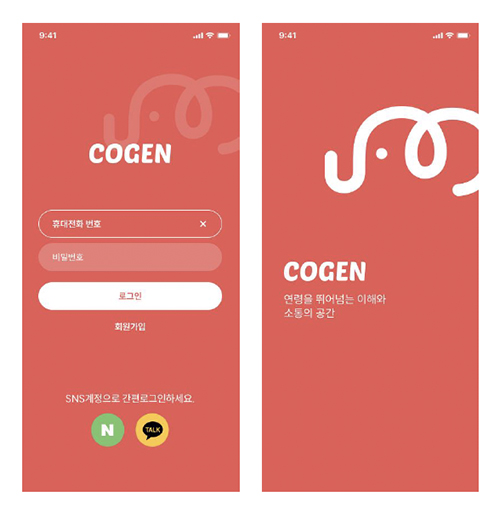
Figure 1. CoGen User Interface and Brand Design
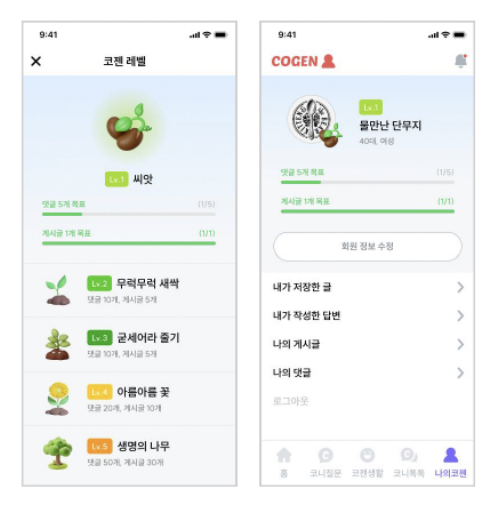
Figure 2. Gamification-Based Level-Up System Feature
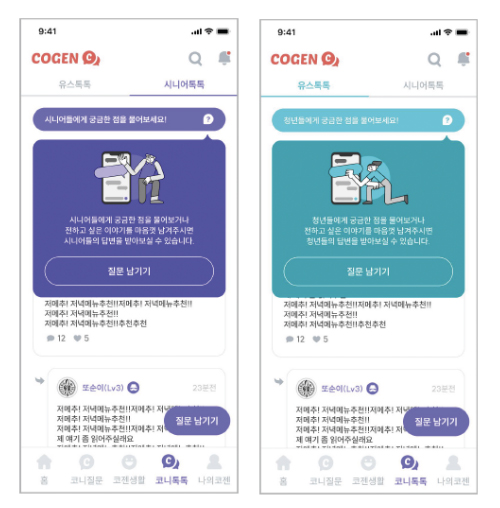
Figure 3. Cross-Generational Question-and-Answer
* Related Article
Soondool Chung, Hannah Lee, Jeehye Jung, Design and Evaluation of a Mobile App for Intergenerational Communication: User-Centered Participatory Design and Experimental Mixed Methods Study, JMIR Aging, Volume 8, 1-17, 2025.

